
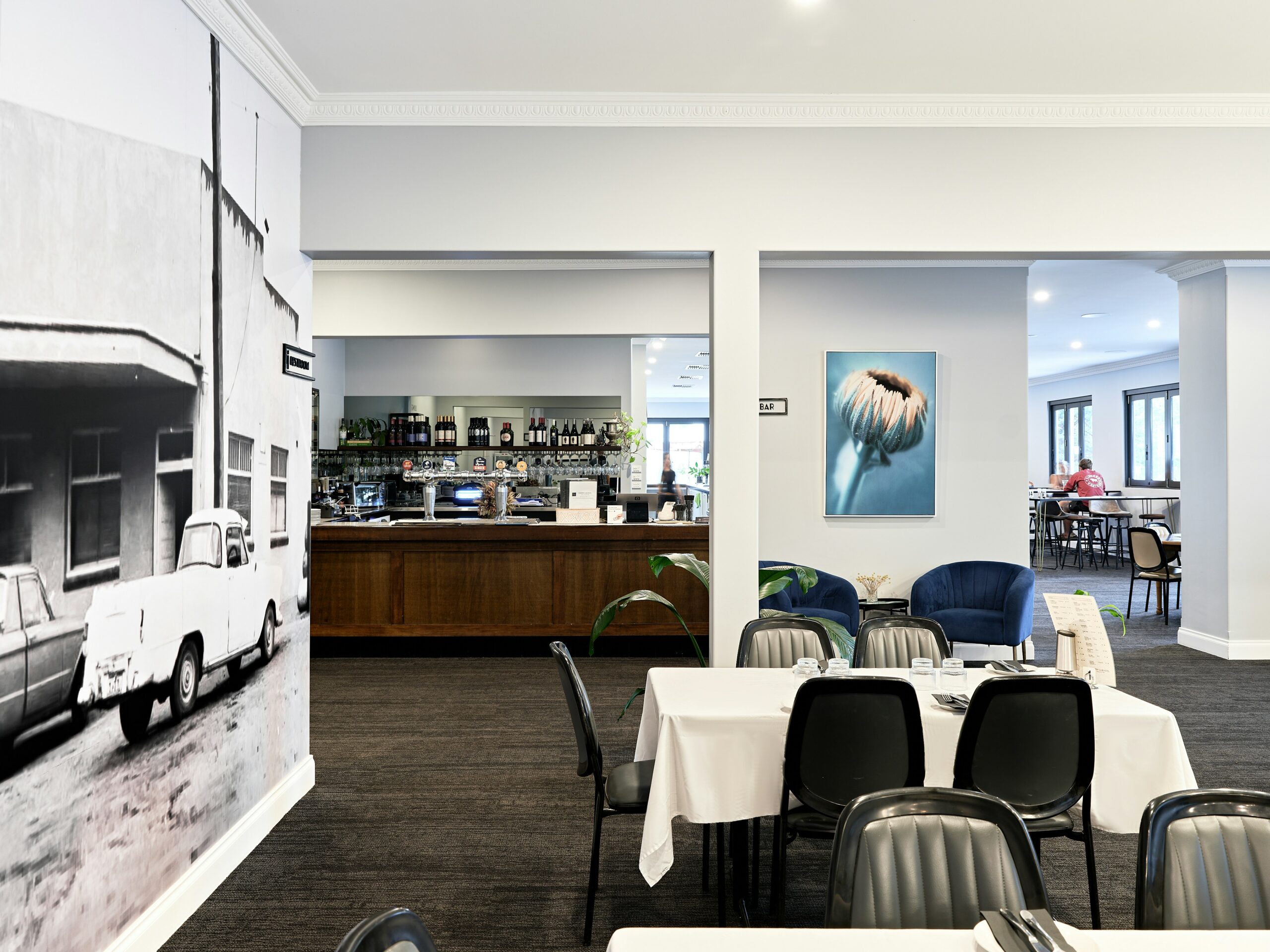
Hospitality staffing in Chicago is operating under more pressure in 2026 than at any point since the pandemic recovery began. Travel demand is up, event calendars are full, and hotels and restaurants across the metro are simultaneously trying to grow and struggling to find the people to do it with. At Quality Labor Services, hospitality is one of our core placement specialties, and what we are seeing in this market every day matches exactly what the national data confirms.
Hospitality Staffing Chicago: What the 2026 Data Actually Shows
Hospitality staffing in Chicago sits within a national industry-wide crisis that shows no signs of quick resolution. According to the American Hotel and Lodging Association’s 2026 State of the Industry report, U.S. hotels will pay $131 billion in wages and benefits in 2026, up 15.3% above 2019 levels, while total operating revenue has grown only 12.8% over the same window. The labor cost is outpacing the revenue it is supposed to support, and 76% of hotels are still operating short-staffed despite those rising wages.
The turnover numbers make the staffing challenge even clearer. Annual hospitality turnover is running at 70 to 80%, roughly five times the 12 to 15% range seen across other industries. The AHLA forecasts an 18% labor shortfall through 2026, driven by fewer young workers entering the industry and ongoing pressure on immigration pipelines that historically supplied a significant portion of the hospitality workforce. According to Spectraforce’s August 2026 analysis, the accommodation and food services industry recorded a 4.3% resignation rate in May 2026, more than double the 2.1% rate across the private sector as a whole.
The Roles That Are Hardest to Fill in Chicago Hospitality
Not all hospitality roles are equally difficult to fill, but the hardest-hit positions follow a consistent pattern that Chicago operators recognize immediately. According to Xclusive Staffing’s 2026 hospitality forecast, based on AHLA data, the roles experiencing the highest projected shortfalls are:
- Housekeeping — consistently the hardest role to fill, with 38% of hotels reporting shortages for this position. Physical demand, scheduling variability, and wage competition from other sectors all compress the available candidate pool
- Front desk — roughly 26% of hotels report persistent understaffing in front desk roles, where the combination of customer service skills, system proficiency, and schedule flexibility narrows the qualified applicant pool significantly
- Culinary — approximately 14% of hotels and a significantly higher proportion of restaurants struggle to fill kitchen roles, particularly skilled positions like line cooks, sous chefs, and bakers where certification and experience both matter
- Maintenance — approximately 13% of hotels report difficulty filling maintenance roles, where technical skills and certification requirements reduce the pool further
- Event and banquet staff — highly variable demand tied to event calendars creates the most acute short-notice gaps of any hospitality category, requiring an on-call staffing solution rather than a traditional hire
For Chicago operators specifically, the O’Hare corridor, downtown convention facilities, and the DuPage County hotel cluster all face versions of these same gaps, compounded by commute patterns that further limit the effective candidate pool for each specific property location.
Why Traditional Recruiting Does Not Work for Hospitality
The standard hiring process, post a job, screen applications, interview, hire, does not fit the operational reality of a hotel or restaurant. The timeline is too long, the candidate attrition between application and start date is too high, and the notice window on a shift gap is typically measured in hours rather than weeks. A GM who needs a housekeeper for tomorrow morning cannot wait two weeks for a traditional recruitment cycle to produce someone.
According to Labor Finders’ 2026 hospitality shortage analysis, 91% of hospitality leaders report that hiring remains difficult, and today’s hospitality job seekers are increasingly selective about where they work, making the window between identifying a strong candidate and losing them to a competing offer shorter than it has ever been. Speed and pre-qualification are the two variables that determine whether a hospitality staffing process produces a filled position or a continued gap.
This is precisely why maintaining an active, on-call relationship with a hospitality staffing partner is no longer optional for most Chicago operators. It is the mechanism that converts a short-notice gap into a covered shift without disrupting service levels or burning out the existing team.
How Quality Labor Services Approaches Hospitality Staffing in Chicago
Our hospitality staffing practice is built around the operational reality of how Chicago hotels, restaurants, and event venues actually function. We maintain an active pipeline of pre-vetted candidates across every core hospitality role, so that when a gap appears, we are matching against candidates who have already been screened rather than starting a search from scratch.
Every candidate we place in a hospitality role is evaluated for the specific combination of skills, pace tolerance, customer interaction capability, and schedule flexibility that hospitality positions require. A strong housekeeper who cannot commit to weekend availability is not the right match for a property that needs seven-day coverage. A front desk associate with excellent customer service skills but no PMS system experience is not ready for a front-line check-in role without additional support. These distinctions matter and they are factored into every placement we make.
We also handle compliance and employment administration for temporary placements, including payroll, taxes, workers’ compensation, and Illinois-specific requirements, so that the operator’s team can focus on operations rather than paperwork.
Flexible Staffing Models That Match How Hospitality Actually Works
Hospitality demand is inherently variable. A convention center has weeks of 90% occupancy followed by weeks at 40%. A restaurant does 600 covers on a Saturday and 80 on a Tuesday. A hotel needs ten extra housekeepers for a sold-out holiday weekend and five on a regular Wednesday. Traditional permanent hiring cannot flex that way without creating either chronic overstaffing or chronic understaffing, both of which carry significant cost.
Flexible staffing models are the operational solution. Temporary placements cover event surges, seasonal peaks, and short-notice gaps without adding permanent headcount. Temp to hire arrangements give operators a structured evaluation period before making a permanent commitment on roles where retention matters. Our post on temp to hire vs direct hire in Chicago covers when each model produces the best outcome, and our post on how to reduce employee turnover in Chicago covers how getting the hiring model right upstream reduces the turnover cost that makes hospitality staffing so persistently expensive.
Leadership Roles: The Highest-Stakes Hospitality Hires
While frontline vacancies are the most visible staffing challenge in hospitality, leadership gaps are the most expensive. A general manager vacancy, a director of food and beverage search, or a head chef recruitment that takes three months longer than expected carries operational, cultural, and revenue consequences that no amount of temporary staffing can fully offset.
According to the JWB Hospitality 2026 compensation report, competition for hospitality leadership talent will continue intensifying throughout 2026, and the organizations that treat leadership hiring as a strategic function rather than a reactive process are the ones building sustainable competitive advantage. Our executive search practice handles senior hospitality placements with the depth of evaluation and relationship-driven sourcing that leadership roles require, because getting it right at the top protects every layer of the operation beneath it.
Serving Chicago Hospitality Operators Across the Region
Quality Labor Services places hospitality workers across the broader Chicagoland region, including dedicated coverage in Waukegan, Bensenville, Palatine, Kenosha, and El Paso. Our hospitality staffing in Waukegan covers the Lake County hotel and event market specifically, and our broader regional presence means we source from candidate pools that are realistically